
WHY STRENGTH MATTERS AFTER 40
Strength tends to fall faster than muscle size as we age. Progressive resistance training — training where the demand increases over time — gives your muscles a reason to stay useful. It also loads bone, practises balance and keeps everyday tasks such as carrying, climbing and getting off the floor familiar.
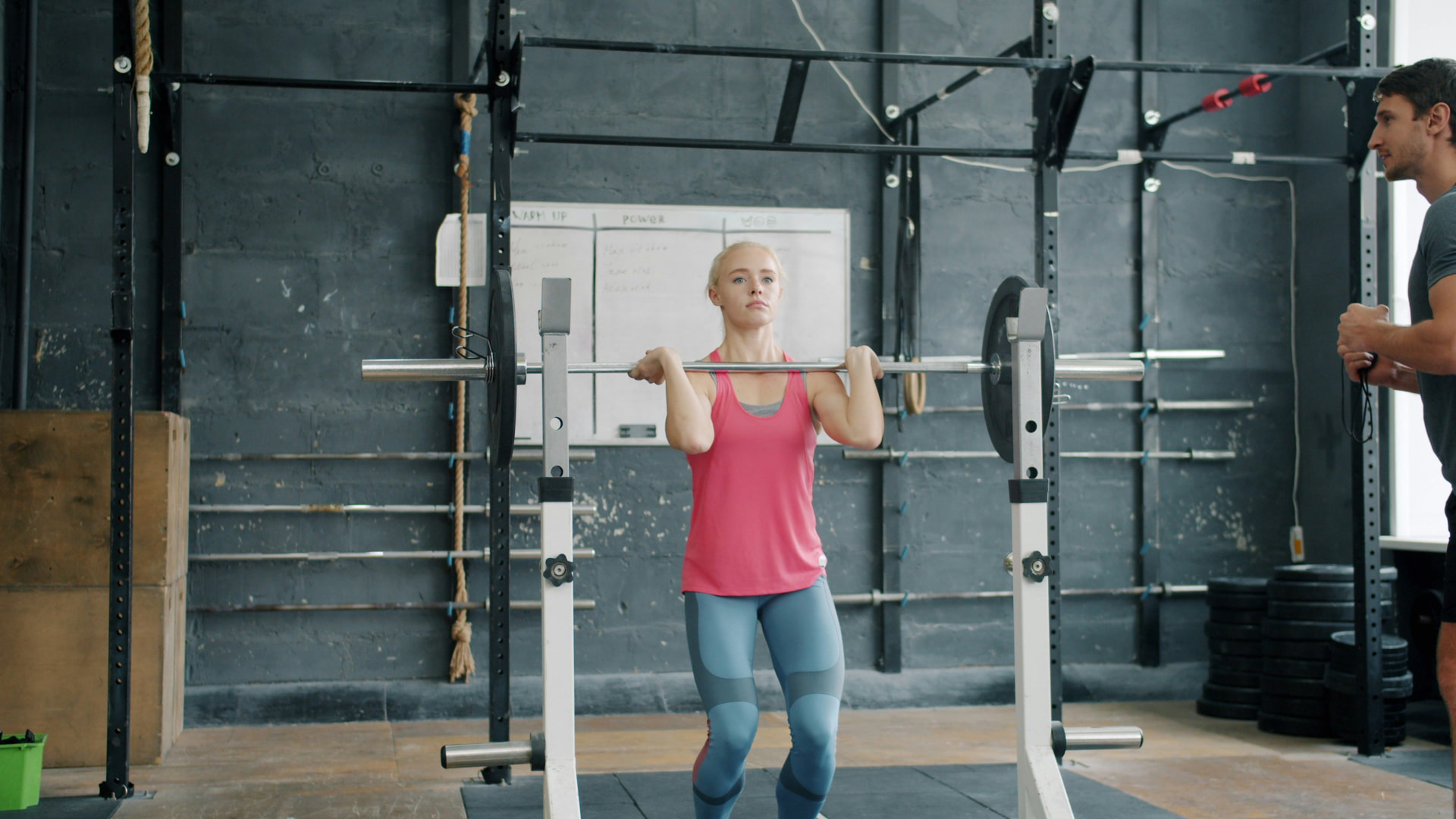
START WITH FIVE MOVEMENT PATTERNS
You do not need twenty exercises. Choose one manageable version of each pattern and practise it long enough to improve.
1. Squat
Sit down and stand up under control — for example, a box squat or goblet squat.
2. Hinge
Fold at the hips and lift — for example, a kettlebell deadlift or Romanian deadlift.
3. Push
Press a load away from you — horizontally or overhead, depending on your shoulders.
4. Pull
Bring a load towards you — for example, a cable row or dumbbell row.
5. Carry
Walk while holding a load securely, keeping your steps and breathing controlled.
A SIMPLE WEEK THAT CAN BECOME A HABIT
SESSION A
Squat · Push · Pull · Carry
SESSION B
Hinge · Push · Pull · Carry
Begin with two or three sets of five to eight controlled repetitions. Finish most sets while you could still do another good repetition or two. When every repetition is steady, add the smallest practical amount of weight.
YOUR FIRST 12 WEEKS
- Weeks 1–2 — learn: practise the five patterns with light loads. Do not chase soreness.
- Weeks 3–6 — build: keep the same lifts and add a small amount when every set is controlled.
- Weeks 7–12 — strengthen: use heavier working sets while keeping one or two good repetitions in reserve.
RECOVERY IS PART OF THE PROGRAM
Your age does not pick today’s weight. Your recent training, sleep, stress, soreness and performance help make that decision. Record the work so a difficult week becomes useful information rather than a reason to quit.
COMMON QUESTIONS
Is 40 too late to start strength training?
No. Adults can gain strength and muscle well beyond 40. Start with movements and loads you can control, then progress them gradually.
How often should adults over 40 strength train?
Two full-body sessions each week is a useful starting point. A third session can be added when sleep, soreness and schedule support it.
What exercises should a beginner over 40 do?
Build around five patterns: squat, hinge, push, pull and carry. The exact exercise can be changed to suit your experience, equipment and joints.
Should strength training feel different after 40?
The basic training principles do not change, but recovery deserves more attention. Track sleep, stress, soreness and performance instead of assuming age is the problem.
UNDERSTAND THE CONTEXT
The Education library explains what the research says, who was studied and where the limits are.
- Strength training and injury risk
- Bone density research
- Exercising in your 40s and 50s
- Strength training over 50
This guide is general education, not medical advice. If you have a heart condition, uncontrolled blood pressure, osteoporosis, a recent injury or uncertainty about starting, speak with your doctor or an Accredited Exercise Physiologist.
READY FOR A PLAN THAT FITS YOU?
Start free with Community or compare Strong Ohana coaching options.
See membership options